
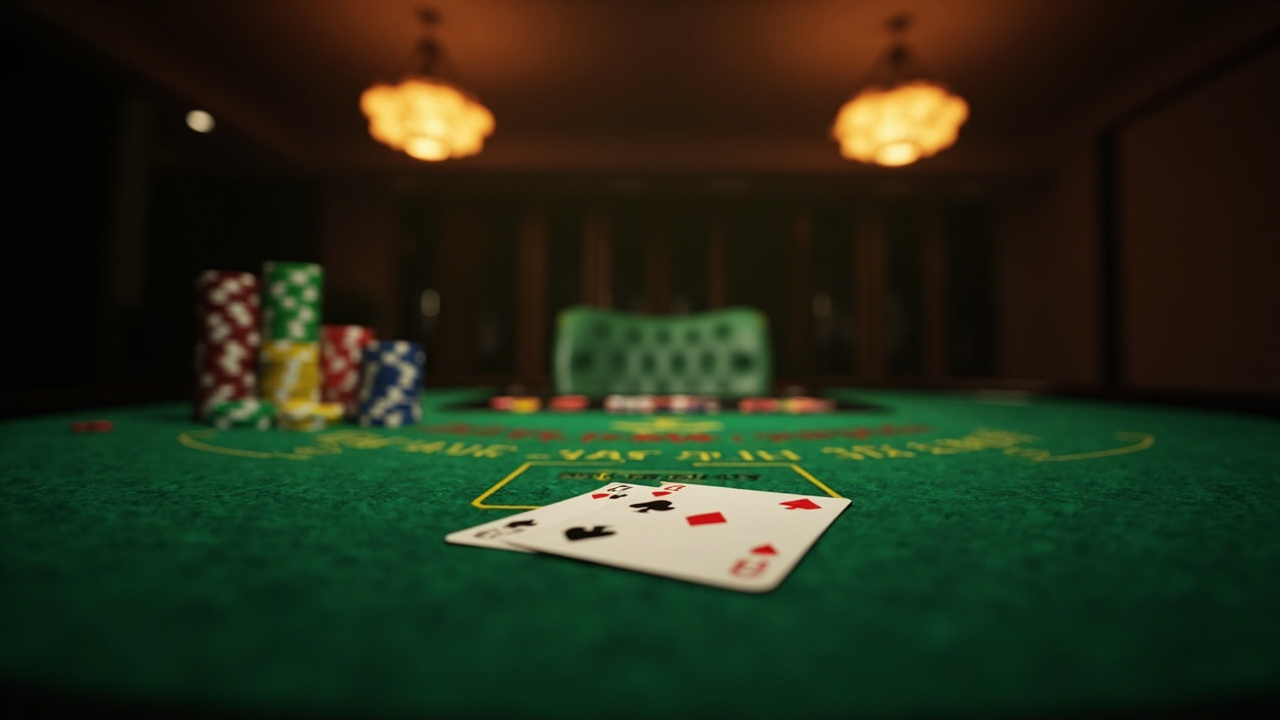
When you are staring down a river decision and the pot is already swollen, the usual sizing rules stop telling the whole story. That is where a solid poker overbetting strategy guide earns its keep, especially for players who have moved past the beginner tables and want to read the room rather than just follow a chart. I have spent two decades building products across land-based floors, social apps, and iGaming back-ends, and the one thing that never changes is how quickly a well-timed overbet can tilt a session if the sizing is off by even a small margin.
Read the board and your range advantage before you push the chips
Overbetting is not a bluff button you hammer because the pot looks big. You size up when your range holds a clear advantage on a coordinated board, or when you have a polarised set of value hands and bluffs that both want to get paid. I have watched social poker products try to compress that decision into a single auto-sizing toggle, and it never worked because the board texture and your positional edge do the real work. A practical poker overbetting strategy guide starts by asking whether you are ahead of your opponent’s calling range, not just whether you want to scare them off. If the flop came down something like 8 9 T and you raised from early position, your continuation range is likely stronger than a caller who sat in the blinds, so a 1.5× to 2× pot continuation on the turn can put the pressure where it belongs. On the other hand, if you are out of position with a capped range and the board has missed your entire line, overbetting just burns capital you should have kept for a cheaper showdown. I have also consulted on land-based floor layouts where the rake structure and average table speed pushed players toward wider sizing on the river, and the lesson was the same: sizing has to match the economics of the room you are actually sitting in. spins on all aboard pokies
When the pot is already big and your hand is polarised, overbetting forces a tough call
Polarised holdings are where overbetting shines, because you have either the nuts or a pure bluff, and a larger sizing makes the caller’s math ugly. The trick is to keep the sizing tied to what your opponent can actually hold, not to some abstract percentage you read in a forum. I have reviewed payment flows and cashier designs across social and iGaming products, and the same discipline applies: a clunky withdrawal path kills trust just as fast as a sloppy river bet kills your stack. When you hold a strong value hand on a dry board, a measured overbet can extract extra chips from weaker pairs that would happily call a smaller size. When you are representing a flush or a straight with air, the overbet works only if the story you have told on the earlier streets supports it, otherwise you are just donating to a caller with a piece of the board. The most common mistake I see from players transitioning from low-stakes social tables is treating every big pot as a chance to go for maximum leverage, when really the best play is often a smaller sizing that keeps worse hands in the mix. A good poker overbetting strategy guide will tell you to map your opponent’s likely calling range first, then pick the size that makes that range pay for the mistake you want them to make.
A relaxed look at when to keep it small instead
Sometimes the smartest play is to keep the sizing modest and let the opponent make the error on their own. I have spent enough arvos on regional tables to know that a player who is already tilted by a long drive or a patchy connection does not need a giant bet to make a bad call – they will find a way. If you are out of position and the board has not changed much from the turn, a smaller bet can keep the action live and avoid blowing up the pot when you only have a marginal hand. There is no point forcing a massive sizing when your opponent is the type who calls with bottom pair just because they have already invested chips, since that player will pay you off at a lower size anyway. I reckon a lot of players overbet simply because the big number feels decisive, when what they actually need is a cleaner story and a sizing that matches the threat they are representing. When the table is quiet and the action has slowed, a measured bet often gets you to showdown cheaper than a heroic push that only works against the right range.
Sometimes the most effective strategy is to let the pressure build slowly until the mistake becomes inevitable. When you study the structural integrity of a solid game plan, you realize that patience is the ultimate weapon. You can find more insights on this approach at the Australian architecture site.
Practical fit for different player types
The right overbetting approach depends on the kind of player you are and the rooms you actually play in. A recreational player who mostly sits in online tables on a regional connection will benefit from a tighter, more deliberate sizing plan, because a bad overbet on a shaky stream can turn a readable hand into a messy multi-way mess. A more serious grinder who tracks hand histories and studies board textures can use overbetting as a deliberate weapon on the turn and river, especially when they have position and a clear range edge. A social player who treats poker as a session rather than a grind should focus on the few spots where overbetting genuinely fits – usually a polarised river with a clear story – rather than trying to force it on every big pot. The throughline is that sizing is a tool, not a personality trait, and the players who last are the ones who match the size to the hand, the board, and the person on the other side of the felt.
FAQ
What size should I use when I am overbetting with a polarised range?
Start with a sizing that makes your bluffs and your value hands tell the same story, usually somewhere between one and a half and two times the pot on the river when the board is wet enough to support that narrative. The exact number matters less than whether your opponent’s calling range is actually vulnerable to the story you are telling, so adjust the size down when you are likely to get called by weaker value hands that still have you beat. Pokernews
When does overbetting do more harm than good?
Overbetting hurts most when you are out of position, your range is capped, or the board has missed your entire line and you are trying to bluff a player who will call with almost anything. In those spots a smaller sizing keeps you alive for a cheaper showdown and avoids building a pot you cannot justify with the cards you actually hold.
How do I practise overbetting without blowing up my session?
Run through hand histories where you had a clear range advantage and ask yourself whether a larger sizing would have changed the caller’s decision, then compare the result to a smaller bet in the same spot. Track a few sessions and note where your overbets got called by hands that should have folded, because that feedback tells you more than any fixed percentage ever will.
