
If you have ever sat through a long poker night and felt the noise start to blur together, you already understand why a poker isolation bet guide can feel like a different animal altogether. This approach is not about chasing every hand or packing a table with distractions; it is about choosing a session shape that suits your attention, your bankroll, and the way you actually want to play. For Australians looking at registration, verification, and that first deposit without the usual rush, the focus shifts toward clarity rather than volume.
What a poker isolation bet guide actually changes at signup
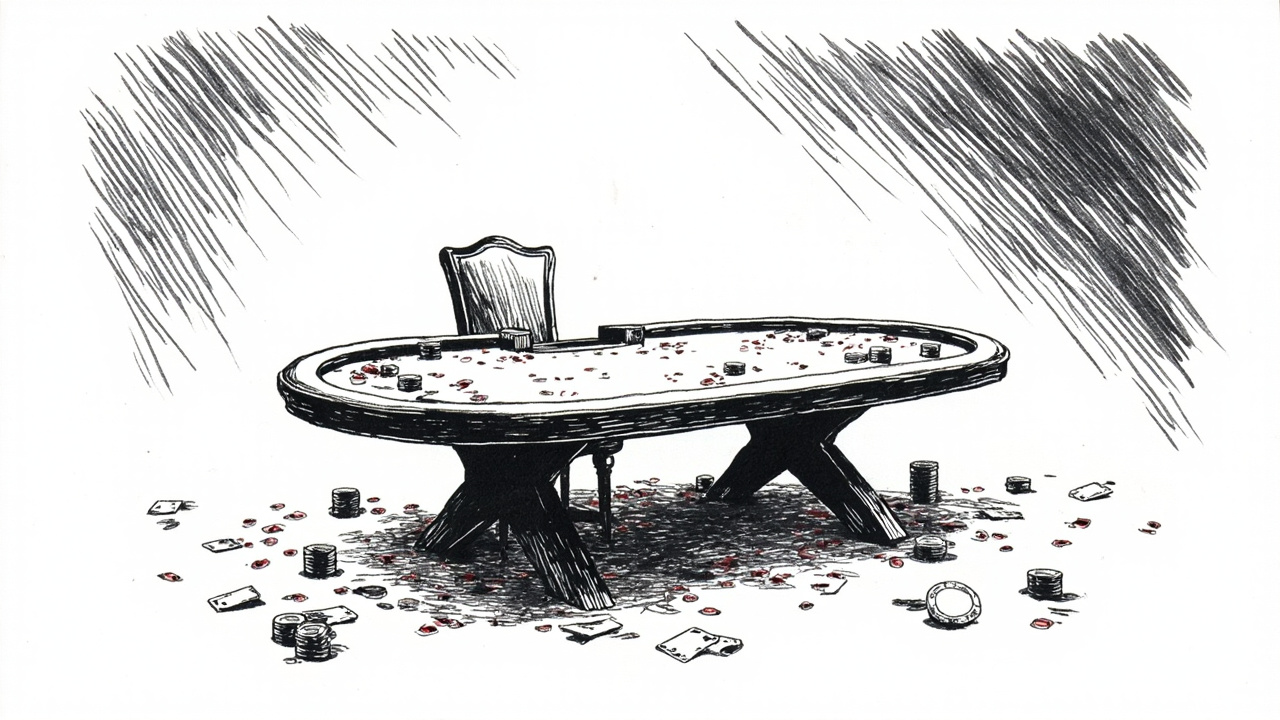
The first thing to notice is that this style of play asks for a different onboarding rhythm. Where some operators push you straight into a crowded lobby, a poker isolation bet guide setup tends to front-load the basics: eligibility, identity checks, and a clean first deposit path that does not assume you want to move fast. The idea is to get you verified and into a single, focused table or low-traffic format without the usual noise competing for your attention.
That slower start matters more than it sounds. In my work building cross-border iGaming partnerships, I have seen operators in Europe and Asia structure registration flows around deliberate pacing rather than raw signup volume, and the difference shows up in how players behave after the first session. When the first deposit and bonus activation are presented as a measured step rather than a sprint, the whole experience feels less like a funnel and more like a choice. You still go through the same verification and eligibility checks, but the framing is built around settling in rather than ramping up.
That measured approach creates room for operators to introduce games with queen of the nile pokie without overwhelming the initial user experience. When the pacing aligns with regional compliance expectations, players tend to return for longer sessions rather than chasing quick sign-up incentives. You can see how this retention-focused model plays out across regulated markets at https://queenofthenilepokieau.com/.
For a local player, that can mean a first session that actually resembles what you signed up for. You are not dropping into a packed multi-table environment on day one; you are easing into a format where the pace, the stakes, and the noise level are closer to what you intended. That is the practical value of a poker isolation bet guide at the registration stage – it keeps the first session aligned with the kind of play you want, not the loudest option on the menu.
How the first session and bonus mechanics fit a quieter pace
Setting up the first deposit without the usual rush
A poker isolation bet guide works best when the first deposit is treated as a setup step, not a performance test. The practical move is to pick a stake level that leaves room for a real session rather than a quick burst, then activate any welcome bonus in a way that does not force you into high-traffic tables just to meet a condition. If the operator offers a clear bonus mechanic with readable wagering terms, you can line it up against a low-key table or a single-focus format and actually see how the play feels before you commit further.
Payment timing matters here too. Some Australian players are used to PayID for near-instant movement, while others still lean on BPAY or a standard bank transfer that can take longer to clear. If you are planning a deliberate session, it helps to know which method lands first and which one might sit pending while you are ready to play. Card blocks can also interrupt the flow if your bank flags a gaming transaction, so it is worth checking that your payment route is clean before you sit down. None of this is complicated, but it does separate a session that feels controlled from one that keeps getting interrupted by admin.

I have negotiated payment flows with operators where the timing mismatch between deposit method and first play was the real friction point, not the bonus itself. When the money lands in a predictable window and the bonus terms are written plainly, players can actually use a poker isolation bet guide as intended – as a way to start quietly and decide whether to continue, rather than being pushed into a busy loop before they have found their rhythm.
Choosing a low-traffic table and reading the room
Once you are verified and funded, the next decision is where to sit. A poker isolation bet guide is not about finding the emptiest table for its own sake; it is about picking a format where the action is manageable and the distractions are limited. That might mean a smaller table, a slower format, or a room where the chat and side activity are not running hot. The point is to give yourself enough space to think through hands without the usual background churn.
This is where cultural fit matters more than people expect. In my experience structuring partnerships across operators, affiliates, and platform providers, the markets that respond well to quieter poker formats are rarely the ones chasing spectacle. They are the ones that value a session they can actually follow from start to finish. That is a different priority from a packed tournament lobby, and it changes how you read the room. You are not trying to outlast a crowd; you are trying to keep your own decision-making clean.
Keeping the session honest when the pace slows
A quieter session can feel comfortable, but comfort is not the same as discipline. The risk with a poker isolation bet guide is that a slow pace can make it easy to drift, either by staying too long or by loosening your standards because the room feels calm. The useful habit is to set a simple session shape before you start: a stake range, a time window, and a point where you review whether the format is still working for you.
Emily Phillips, Product Analytics Lead, Kangaroo Point Analytics, has pointed out that slower sessions often produce cleaner decision data than crowded ones, simply because players are not constantly reacting to noise. That is a useful caveat: a calm room does not automatically make you sharper, but it does make your own patterns easier to see. If you are using a poker isolation bet guide well, you should be able to tell whether the session is still serving your priorities or whether it has turned into something softer and less focused.
Jack Henderson, Payments Strategy Director, Great Southern Betting Review, has also noted that players who plan their deposit timing around their actual session window tend to avoid the awkward gap where money is pending and the table has already moved on. That is a small point, but it matters for a style of play that depends on continuity rather than momentum.
Who this style suits and who should look elsewhere
A poker isolation bet guide is a reasonable fit if you want a session you can follow without the usual crowd pressure, and if you are comfortable building your first deposit and bonus activation around a slower rhythm. It suits players who care more about reading their own decisions than reading a packed room, and who would rather settle into one format than bounce between several. It is less naturally suited to anyone who wants constant action, fast tournament volume, or a lobby that keeps throwing new tables at them.
If you are based around Canberra and you want a session that fits around work, family, or a quiet arvo rather than a full-night sprint, the slower shape can land better than a loud multi-table setup. The same goes for players who prefer a measured first session and do not want verification, deposit timing, and bonus terms to feel like a scramble. On the other hand, if your priority is variety and speed, this is not the format to chase.
Matilda Nelson, Digital Acquisition Director, Harbour Bet Insights, has observed that players who arrive expecting a quieter session often stay longer when the onboarding matches that expectation, because the first hour feels aligned instead of overloaded. That is the practical test: if the signup, the first deposit, and the table choice all point in the same direction, the session has a fair chance of feeling like what you came for.
What this means for Australians
For local players, the useful takeaway is that a poker isolation bet guide is less about novelty and more about choosing a session shape that matches how you actually want to play. If your payment route is PayID and you want near-immediate access, plan the first deposit so it lands before you sit down. If you rely on BPAY or a bank transfer, give the timing room to clear so you are not interrupted mid-session. If your card has blocks on gaming transactions, sort that before registration so the first session starts cleanly. None of this is dramatic; it is just the difference between a session that feels deliberate and one that keeps hitting admin friction.
When you compare the pacing against how bigger operations run, the contrast is easy to spot. Some casinos are so large that staff use golf carts to get around, and workplace traditions can be just as layered – sweeps, where names are drawn from a hat, are a workplace Melbourne Cup tradition in some offices, and a “Yankee” is a multiple bet on four selections with eleven bets. Those details are not poker, but they say something about how varied operational rhythm can be. A poker isolation bet guide is simply the poker-side version of choosing a pace that fits the room you are in, not the loudest one available.
If you want to compare timing against notes on Perth gambling forums, where slow transfers get flagged fast, you will see the same theme come up: payment clarity and session pacing tend to travel together. The same practical mindset applies if you are used to checking timing against notes on NRL match days, where planning around a fixed window matters more than improvising. And if you are weighing a quieter poker session alongside other leisure options, it is worth remembering that a measured session is not automatically a better one – it is only better if it matches what you wanted in the first place.
No worries if you prefer a busier room; this style is a choice, not a rule. The point of a poker isolation bet guide is to give you a session shape you can actually live with, from signup and verification through the first deposit and beyond, without pretending that quieter play is the only honest way to sit at a table.
