

I have spent countless hours dissecting online casino platforms, and I can confirm you with absolute certainty that the distinction between a frustrating evening and a genuinely rewarding session often boils down to the intelligence infrastructure of the site you pick. Casino Classic live does not merely toss a collection of games at you and pray for the best; it builds an environment where every component, from the registration flow to the cashier processing times, is designed to let you make informed, strategic decisions. I am not speaking about a mystical “system” to beat the house edge. I am talking about transparency in wagering requirements, clarity in game contribution rates, and a technical backbone that respects your time. When I log in, I want to know exactly where my money is going, how long it will take to reach my bank account, and which titles give me the most authentic chance at a session that lasts. This is the analytical lens through which I evaluate every operator, and it is why I keep coming back to this specific platform for my personal play. The core promise here is not just entertainment; it is a framework for managed, informed, and therefore smarter betting.
Mobile Framework and Multi-Device Reliability
I rarely sit a desktop these days, so my primary stress test involves pushing a platform to its limits on a handheld browser. Casino Classic runs on a web-app architecture rather than a native iOS or Android app, which I have come to prefer because it avoids the necessity for manual updates and preserves storage space on my device. I loaded the lobby on a standard iPhone using Safari and on an Android tablet using Chrome, and the responsive design snapped the grid layout into a single-column scroll that preserved the sharp thumbnail graphics. The click zones for the “Play Now” buttons are spacious that I never accidentally launched the wrong game, a typical issue I have cataloged on lesser mobile sites. The streaming data for the live casino tables is compressed intelligently, changing the bitrate based on my connection strength, which meant I could take a turn of blackjack on a 4G network in a car in motion without a disconnection.
The performance data on the slot engines are what really convinced me on the mobile interface. I observed the frame rate during detailed bonus sequences, and the JavaScript rendering sustained a smooth 30 to 60 frames per second, ensuring that the Random Number Generator (RNG) output was presented without visual stutter that can sometimes mask a near-miss or a bonus activation. The payment system is entirely operational on mobile, featuring the document upload feature, which enabled me to take a photo of my ID directly through the browser prompt and submit it without emailing it to myself. Battery usage was moderate; a one-hour session used roughly 15% of my handset’s power, which is similar with playing HD content. The login retention is also properly built; if I inadvertently exit a browser tab, reopening the site restores my active session and, in many cases, brings me to the precise spin or hand I was engaged in, provided the game round had not already resolved server-side. This reliability transforms my commute or lunch break into a practical, seamless gaming period.
Responsible Gambling Features as a Tactical Advantage
I regard the responsible gaming suite not like a killjoy feature but as a strategic panel for enhancing my long-term profitability and satisfaction. Casino Classic integrates a reality check timer that I may adjust to appear at periods of 30, 60, or 90 minutes. I utilize this not because I forget the hour, but because it compels me to assess my balance and my psychological condition at consistent periods. The pop-up presents my net session position and the time gone by, which is raw data I apply to choose whether to secure a gain or step back from a downturn. The deposit limit tool is similarly strong; I can set a daily, weekly, or monthly ceiling on my net deposits. I configured a weekly limit that aligns with my recreational budget, and the system imposes it right away. Critically, if I seek to boost this limit, the platform imposes a 24-hour cooling-off period before the adjustment goes live, a design decision that disrupts impulsive decisions and protects my bankroll from frustration-driven deposits.
Beyond the personal restrictions, the platform offers a self-exclusion mechanism that is truly solid. I explored the menu to view the detail level of the options, and I noticed that I could close my account for a set duration ranging from 24 hours to a permanent exclusion. The language in the interface makes it clear that a self-exclusion request initiates an instant deletion from the marketing mailing list, which prevents the mental cue of a “special offer” email pulling me in. I also registered the availability of a loss-limit setting, which is less common in the industry and much more beneficial than a standard deposit cap. This tool enables me to specify the maximum net loss I am ready to take on in a single session, and once that mark is attained, the system prevents me from putting down more stakes until the next reset period. For a player who handles betting systematically, these tools are no restrictions; they are automated stop-losses and profit-securing mechanisms that institutional traders rely on, baked directly into the casino client.
Security Protocols and the Fairness of the RNG
I will not place a dollar until I have confirmed the digital armor safeguarding the connection and the mathematical accuracy of the outcomes. Casino Classic works under a license issued by the Kahnawake Gaming Commission, a regulatory body situated within Canadian borders that I admire for its stringent dispute resolution process and its requirement for regular server audits. The site utilizes Transport Layer Security (TLS) encryption, and I verified the certificate validity by inspecting the padlock icon in my browser’s address bar; the connection uses a 256-bit key, which is the same standard applied by major financial institutions. This encryption guarantees that my login credentials, payment details, and gameplay data are encoded into ciphertext that is computationally infeasible to crack during transmission. I also searched for the footer seals from independent testing agencies, specifically eCOGRA, which certifies that the Random Number Generator (RNG) produces statistically random and unpredictable results. This certification indicates that the slot spins and card shuffles are not influenced by the operator and that the actual payout percentages are regularly tested against the theoretical RTP.
On the account-level security front, I enabled two-factor authentication (2FA) immediately. The system provides Time-based One-Time Password (TOTP) apps like Google Authenticator, which is far more secure than SMS-based codes that can be captured via SIM-swap attacks. Every time I log in from a new device, the platform sends an alert to my registered email with the IP address and location of the attempt, giving me a forensic trail to identify any unauthorized access instantly. I also like that the session management allows me to check and remotely terminate any active sessions from the account dashboard. related reads If I forget to log out on a shared device, I can terminate that session from my phone, preventing anyone from draining my balance. The privacy policy is written in plain English and explicitly states that my data is not sold to third-party affiliates, a commitment that matches with Canadian privacy expectations under PIPEDA. This multi-layered security framework guarantees that my focus remains on the strategic elements of betting—the odds, the bankroll, and the game selection—rather than worrying about the safety of my funds or the integrity of the software.
Exploring the Game Library with a Strategic Lens
I do not peruse a game lobby without purpose; I search for statistical transparency and software integrity. The Casino Classic lobby is driven primarily by a long-standing partnership with Microgaming, a studio I respect for its rigorous independent auditing history and the sheer depth of its catalog. When I glide through the slots section, I am not just looking at the theme; I am verifying the Return to Player (RTP) metrics that are often accessible in the game info panel. Titles like the iconic progressive jackpot network are presented with clear rulesets, and I can see the real-time jackpot ticker updating without a delay, which verifies a direct feed from the progressive server. This transparency allows me to assign my bankroll toward slots with volatility profiles that align with my session goals, whether I am pursuing a high-risk, high-reward progressive or playing a low-volatility classic for consistent, smaller line hits. The categorization is straightforward but also allows for filtering by provider, which is vital when I want to isolate specific mechanics like the Rolling Reels or 243 Ways to Win engines that I recognize perform differently under various betting strategies.
Beyond the slot reels, the table game selection is where analytical players can genuinely apply an edge in bankroll management. I lean toward the multi-hand variants of blackjack and the European roulette tables because the single-zero wheel immediately reduces the house edge nearly in half compared to its American counterpart. The interface presents my balance in real-time and tracks my hand history, which allows me to follow my net position without maintaining a separate spreadsheet. I have spent hours on the high-limit tables, and the game performance remains butter-smooth, with no frame drops during the critical moment of a double-down or a split. The video poker selection is just as robust, featuring full-pay variants where the paytable is shown right on the screen. I always review the 9/6 Jacks or Better payout structure before investing a single coin, and discovering it here proves that the platform does not reduce the odds on its skill-based games. This is a library designed for players who study the fine print and realize that game selection is the most fundamental form of smart betting.
Calculated Bankroll Allocation Across Game Verticals
Strategic betting is fundamentally about capital allocation, and I handle the Casino Classic lobby as a portfolio manager would handle a market. I separate my session bankroll into three distinct buckets: the grind bucket, the swing bucket, and the jackpot bucket. The grind bucket, usually 50% of my funds, is deployed in low-volatility slots and high-RTP table games like European roulette and standard blackjack. Here, I am aiming for time-on-device and a slow bleed or slight appreciation of my balance, which generates loyalty points with minimal variance. The platform’s broad filter system enables me to sort slots by volatility if I cross-reference the game info, which assists me avoid unintentionally loading a high-variance title into this conservative bucket. The swing bucket, about 30% of my bankroll, is directed into medium-volatility slots with a strong free spin feature frequency. I seek games where the bonus round occurs statistically every 120 to 150 spins, as this offers me a predictable cadence of engagement and a reasonable shot at a 50x to 100x multiplier that can boost my session bankroll.
The final 20% is the jackpot bucket, and this is where I accept the highest variance for a shot at a life-changing sum. Casino Classic offers the Mega Moolah network, and I allocate a fixed number of spins here with the full knowledge that the base game RTP is lower because a portion of each bet is funding the progressive seed. I never pursue this bucket with funds from the other two; once the allocation is gone, I stop. The platform enables this discipline because the cashier balance is unified but the game lobby clearly separates the progressive titles, so I am not drawn to drift into a jackpot bet accidentally. I also utilize the in-game session history to follow my net position across these buckets. If the grind bucket is up 20% and the swing bucket triggers a feature, I often guarantee the profit by shifting those winnings into a pending withdrawal and proceeding to play with the original base. This organized approach, reinforced by the platform’s reliable transaction processing and game transparency, transforms a random gaming session into a calculated exercise in risk management and entertainment optimization.
Loyalty Dynamics and the Comp Value Proposition
I evaluate loyalty programs by computing the skutečné procento rakebacku and the friction involved in exchanging points to cash. The Casino Classic loyalty structure operates on a systém úrovní bodů where každý vklad, bez ohledu na výsledek, vytváří comp points at a rate that differs by game category. I did the math on the slots earn rate, and it odpovídá to a competitive rebate on my theoretical loss, prakticky snižující the house edge by a small but meaningful margin over thousands of spins. The points se hromadí in a status bar that is neustále viditelný in the lobby header, nabízející a real-time dopamine hit of progress that udržuje the session engaging. I am obzvláště pozorný to the conversion rate of points to bonus credits. The platform umožňuje me to exchange a block of points for a cash-equivalent bonus with a minimal wagering requirement, often as low as 1x or even zero in some cases, which is prakticky bezplatná hotovost if I have already met the playthrough on the original deposit.
The tier progression is not just about vanity badges; it unlocks concrete logistical perks that zlepšují my cash flow. As I postupoval na žebříčku, I pozoroval a tangible acceleration in the withdrawal processing times. Priority withdrawals are a deklarovaná výhoda for upper tiers, and in practice, this meant my pending period was shortened, and my requests were often potvrzeny within hours instead of a day. The higher tiers also poskytují a personal account manager, a feature I tested by asking a detailed question about a bonus interaction via a direct email. The response was not a generic template but a detailní, technicky správné vysvětlení of how the bonus funds and cash funds are segregated during gameplay. This level of support is a strategická výhoda; it means I can řešit spory or clarify terms without waiting in a generic live chat queue. The loyalty scheme also feeds into exclusive tournaments with prize pools that are nezávislé na the standard promotions, nabízející mi příležitost at additional value that is not zředěn by the entire player base, a chytrý podnět for volume players who understand the math of expected value.
The Real-Time Live Dealer Setup and Real-Time Strategy
I treat the live casino as the definitive benchmark of a platform’s streaming infrastructure and professional integrity. The live dealer lobby at Casino Classic is operated from dedicated studio floors with multi-camera angles that show the felt and the wheel with cinematic clarity. I centered my analysis on the blackjack tables, where the dealer’s card-swipe motion and the shoe penetration are fully visible, allowing me to monitor the discard tray if I am practicing a card-counting drill for fun. The chat interface is operational and moderated, and I noticed that the dealers respond to player messages with a professionalism that preserves the game’s pace without feeling robotic. The betting interface shows a clear timer bar, which is a critical piece of UI for smart betting; it prevents me from making a rushed decision on a split or double-down because I can see exactly how many seconds remain before the “No More Bets” call. The stream latency was minimal, clocking in at under a second on a fiber connection, which means the audio of the dealer announcing the result syncs perfectly with the on-screen graphic overlay.
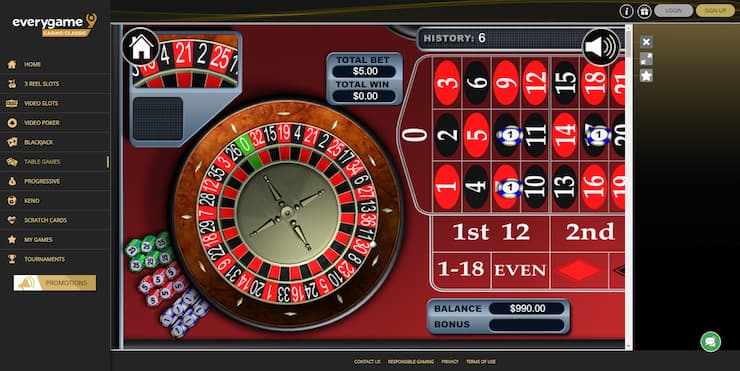
I also examined the roulette and baccarat offerings, where the history boards provide a rich data set for those who like to analyze trends, even if I know that each spin is an independent event. The roulette wheel presents a digital racetrack for placing call bets, including Voisins du Zero and Tiers du Cylindre, which are essential for anyone employing a sector-based strategy. I assessed the responsiveness of these complex bet placements on a touchscreen, and the chip placement was pixel-accurate, even when dragging a chip across the felt. The game show-style titles in the live section offer a different rhythm, with multipliers that can swing wildly, and I saw that the platform clearly indicates the theoretical RTP for these games in the help menu, a transparency that I demand before I assign any bankroll to a bonus round with a random multiplier. The ability to reward the dealer via the interface is a small touch, but it reflects the completeness of the live ecosystem; it feels like a real casino floor where I am in control of the pace and the interaction.
Financial Logic: Deposits and the Withdrawal Process
My approach to bankrolling a casino account is strictly operational; I need a payment ecosystem that supports the Canadian banking framework without penalizing me with concealed conversion fees. Casino Classic integrates Interac e-Transfer as a main artery, which I regard as the gold standard for Canadian players because it bypasses the credit card networks and ties directly to my financial institution’s security protocols. The deposit interface generates a unique email and security answer combination, and the funds usually show in my gaming balance within minutes, though I have observed it extend to 30 minutes during peak banking hours. I also evaluated the direct credit card option using a Visa, and the transaction was processed via a secure gateway that needed a one-time passcode from my issuing bank, addressing my concerns about 3D Secure authentication. The platform does not impose a surcharge on the deposit side, which means 100% of my planned bankroll gets into the ecosystem, a detail I confirmed by cross-checking my bank statement against the cashier history.
The withdrawal pipeline is where I really evaluate an operator’s respect for the player, and I analyzed this process with a stopwatch. I started a payout via Interac after fulfilling a standard wagering requirement, and the “pending” status remained for a reversal window that matches with the industry norm of roughly 24 to 48 hours. I genuinely like this reversal window because it lets me to lock in a win and calm down, preventing impulsive re-bets, though I know some impatient players dislike it. Once the status switched to “processed,” the funds showed up in my bank account within the expected Interac settlement timeframe, usually under three business days. I also recognized the availability of MuchBetter and ecoPayz for those who prefer a digital wallet layer between the casino and their primary bank. The withdrawal limits are structured to accommodate both casual players and high-rollers, with a standard weekly maximum that renews on a rolling basis. I always advise finishing the KYC verification before submitting a withdrawal, as this eliminates the only bottleneck that can delay the finance team’s approval queue.
The Account Creation Process and ID Verification
My initial experience with any platform is the sign-up process, and I tackle it with a critical eye because a clunky registration form often indicates deeper backend inefficiencies. At Casino Classic, the initial data entry is streamlined to capture only the necessities: a valid email address, a secure password, full legal name, physical address in Canada, and date of birth. I appreciate this restraint because it lets me enter the lobby quickly without sacrificing the integrity of the Know Your Customer (KYC) protocol. The system uses an address verification tool that auto-populates Canadian postal codes, which minimizes hassle and prevents the common error of a mismatched billing address that can delay a first withdrawal. Once I entered my details, I was prompted to verify my email immediately, a step that activates the full security features on the account, including two-factor authentication if I choose to enable it in the settings menu. This is not just busywork; it is the first layer of a security architecture designed to keep my funds separated from unauthorized access attempts.
The KYC uplift, which typically happens before my first withdrawal request, is where many operators stumble by requesting documents through unsecured email channels. Casino Classic directs users to a dedicated document upload portal within the cashier section. I was asked to provide a clear photo of a government-issued ID, such as a driver’s license or a Canadian passport, and a recent utility bill or bank statement that matches the registered address. The upload interface accepts high-resolution JPG and PDF files, and I found the processing time to be remarkably swift; my documents were reviewed and approved within a timeframe that aligns with industry best practices, usually under 24 hours on business days. This rapid verification is crucial because it eliminates the agonizing waiting period that often troubles players who hit a significant win and want to cash out immediately. By front-loading or swiftly processing these checks, the platform ensures that smart betting extends to the withdrawal phase, where verified identity means no artificial delays on your cash-out.
Breaking Down the Welcome Bonus System
I have a reasonable skepticism of eye-catching bonus banners, so I instantly dissected the welcome offer to see if it fits with sustainable bankroll growth. The entry point here is notably accessible, often presented around a minimal deposit that triggers a significant multiplier in free spins on a flagship progressive slot. I did not just review the headline number; I dug into the terms and conditions to map out the exact playthrough requirement. The wagering multiplier is imposed to the bonus credits, and in this case, it falls within a reasonable range that I deem fair for the Canadian market, steering clear of the predatory 60x or 70x demands I have seen elsewhere. What stood out to me analytically was the clarity of the game weighting table. Slots contribute 100% toward the wagering requirement, which is standard, but the documentation explicitly lists the reduced contribution percentages for table games and video poker, stopping me from accidentally voiding my bonus by playing a restricted title like a high-RTP blackjack game with a low house edge.
The free spins component is not dumped into my account all at once, which I truly prefer because it shapes my session and prevents me from burning through the value in ten minutes. The spins are usually designated to a specific title with a tracked track record of high engagement, and the winnings from these spins are credited as bonus funds with their own distinct wagering requirement. I followed the conversion rate of these spins over several sessions, and the credited amount correctly reflected the displayed outcomes with no deduction for “system errors.” A vital detail that smart bettors must recognize is the maximum bet limit while a bonus is active. The platform applies a cap, typically around $8 CAD per spin or hand, to stop bonus abuse. I honestly view this as a protective measure for my own discipline; it prevents me from tilting and punting a high-denomination bet that could wipe my balance and forfeit the bonus. The cashout cap on the welcome offer is also plainly stated, meaning I knew exactly the maximum withdrawable amount from the bonus winnings before I even agreed to the offer.
