
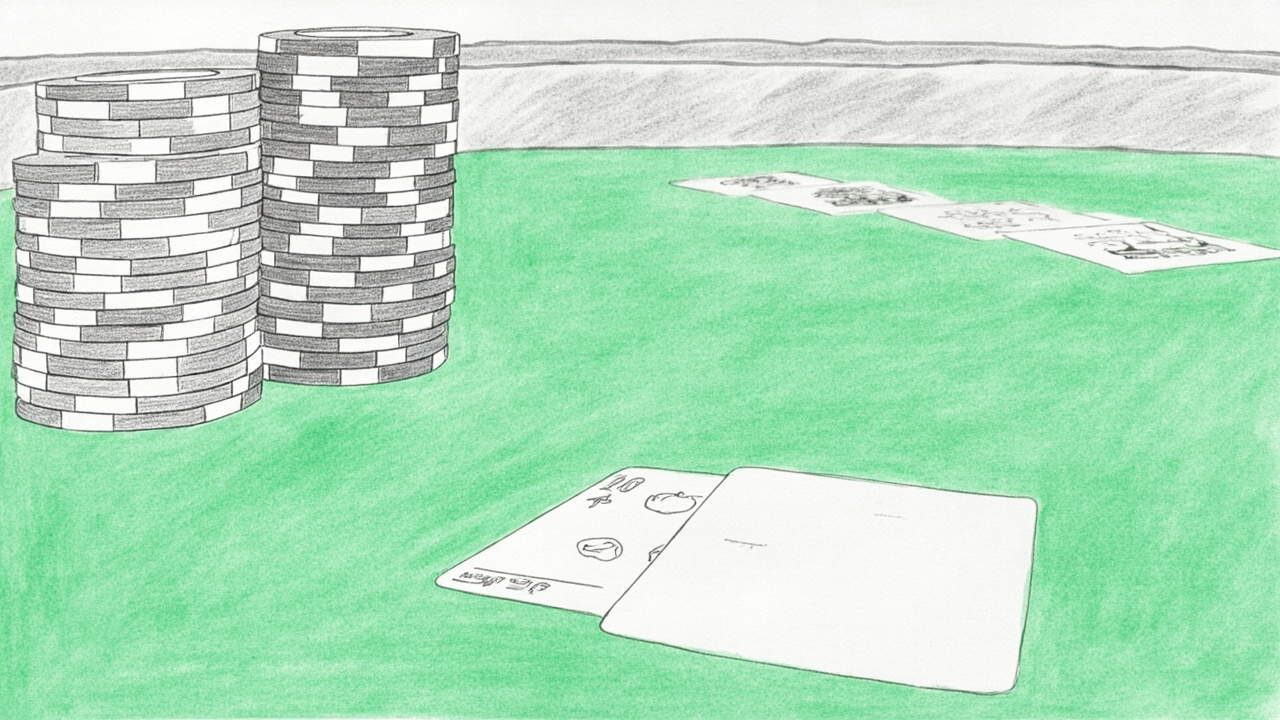
Casino floors have their own rhythm, and nothing changes that beat faster than a major payout hitting the screens. When a big win goes public, the whole venue feels it, from the dealers shuffling cards to the compliance team watching the feeds. That surge of publicity is what we mean when we talk about jackpot winner media attention, and it is worth understanding how that spotlight lands on players and operators alike. You will see the cameras roll, the stories run, and suddenly everyone wants a piece of the action, but the real work happens long before the flashbulbs appear.
How Media Attention Shapes the Floor
Having spent two decades supervising tables and guiding dealer development, I have seen how a sudden win reshapes the room in minutes. The noise spikes, the pit boss moves in, and every eye turns toward the machine or the shoe, but the professional response is always the same: slow the pace, verify the hand, and keep the game moving without drama. When the cameras arrive, that discipline matters more than ever, because a rushed payout or a clumsy announcement can turn a clean win into a compliance headache. I have watched dealers freeze under that glare, and I have also watched seasoned staff keep their composure while the room buzzes around them, which is the difference between a well-run floor and one that loses its nerve.
The real test comes when the story leaves the casino and hits the news cycle. A win on the games on mega moolah slot machine can draw coverage that reaches well beyond the local crowd, and that wider audience starts asking questions about fairness, verification, and how quickly a payout actually lands. On the floor, we do not guess at those answers; we follow the checklist, we document the hand, and we make sure the player gets what they are owed without turning the moment into a spectacle. That same rigour is what separates a responsible operator from one that is just chasing headlines, and it is the standard I have carried from blackjack pits to baccarat salons throughout my career. games on mega moolah slot machine
For a regional crowd, the local angle matters just as much as the national one. A big payout in Newcastle does not just ripple through the casino; it travels through the pubs, the clubs, and the weekend conversations that define country-town life. When the story gets picked up by outlets such as the Sydney Morning Herald, the local players start comparing notes about timing, verification, and whether the process felt fair from the inside. That is where a compliance-minded supervisor earns their keep, because the media narrative and the floor reality have to line up, or the whole thing turns sour.
What Players Should Read Into the Coverage
The coverage itself can be a mixed bag, and a veteran eye learns to sort the useful detail from the noise. Some stories focus on the size of the win and the flash of the moment, while others dig into the mechanics of how the payout was verified and what the player actually walked away with. When the reporting is solid, it usually touches on the same things we track on the floor: the hand that was played, the verification steps that were followed, and the timeline from the win to the payout. When it is thin, you end up with a glamorous caption and no sense of what actually happened, which helps nobody, least of all the player who is trying to make sense of the whole thing.
I have seen the same dynamic play out across different games and different crowds, and it always comes back to the same question: did the process hold up when the pressure landed? In Three Card Poker, a fast, popular table game invented in the 1990s by Derek Webb, the pace is quick and the decisions are sharp, so a sudden win can feel like it arrived out of nowhere, even though the math and the rules were always there in front of everyone. That is the kind of moment that draws the cameras, and it is also the kind of moment that tests whether the staff have done their homework before the spotlight turns up.
The broader business side of that attention matters too, especially when the story moves into the financial press and starts talking about exposure, liability, and how a venue manages a sudden payout against its reserves. When the Australian Financial Review runs a piece that touches on the money behind a big win, it is usually pointing at the same operational realities we deal with on the floor, just from a different angle. That is where a compliance director such as Hannah Walker, Compliance Director, Southern Reef Gaming, would weigh in with a clear caveat: the headline is not the whole story, and the real measure of a venue is whether its processes survive the glare once the cameras have moved on.
From a player’s point of view, the useful takeaway is simple: treat the coverage as a signal, not a promise. A big win on the screens can make the whole place look like a gold rush, but the actual experience on the floor is slower, more structured, and far more dependent on the staff keeping their heads than on the size of the payout. When you are sitting in for a session, the smart move is to watch how the team handles the moment, not just how the story looks once it has been packaged for the evening news.

The Player-Fit Verdict
If you are the sort of player who likes a venue that can carry a win without turning it into a circus, then the way a casino handles jackpot winner media attention tells you a lot about what you are walking into. The right operation treats the spotlight as a responsibility, not a marketing hook, and that shows up in the way the floor stays calm, the verification stays clean, and the player gets what they are owed without the drama. For a Newcastle regular or anyone who has spent enough arvo sessions watching a busy floor, that kind of steadiness is worth more than any headline, and it is the real sign that a venue knows its job when the cameras roll.
